The Six Sigma Concept: Your Ultimate Guide to Process Perfection
Six Sigma concept, in the competitive landscape of 2026, efficiency isn’t just an advantage—it is a survival requirement. To truly define Six sigma one must look past the complex math and see it for what it really is: a disciplined, data-driven methodology designed to eliminate defects and variation in any process.
Whether you are optimizing a manufacturing line or a digital service, the Six Sigma concept includes a statistical goal of achieving 99.99966% accuracy. This translates to a maximum of 3.4 defects per million opportunities (DPMO).
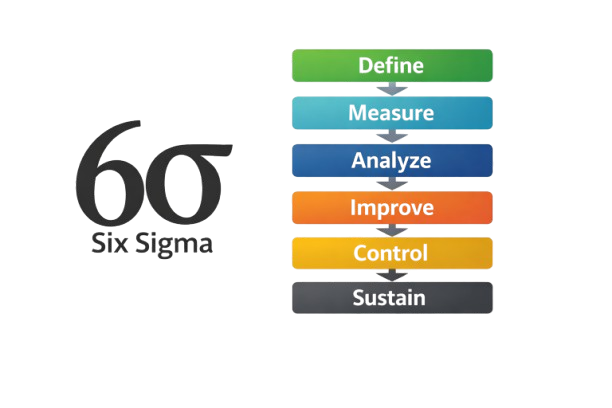
What is the Six Sigma Concept?
The Six Sigma concept is a structured approach to problem-solving that relies on statistical analysis rather than “gut feelings.” Originally pioneered by Motorola and popularized by GE, it has evolved into the global gold standard for operational excellence.
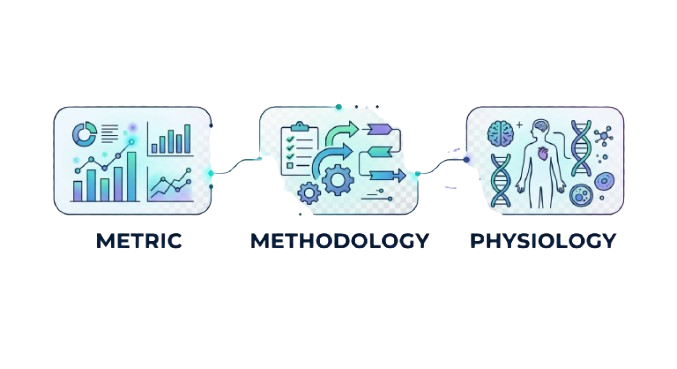
To explain the concept of Six Sigma, we look at three distinct layers:
1. The Metric:
Using the Greek letter Sigma ($\sigma$) to measure how far a process deviates from perfection
2. The Methodology:
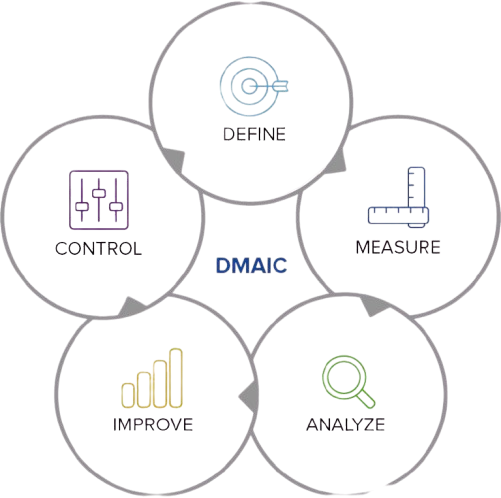
A rigorous five-phase engine known as DMAIC (Define, Measure, Analyze, Improve, Control).
3. The Philosophy:
A corporate culture where every decision is backed by objective data and aimed at customer satisfaction
What the Six Sigma Concept Includes: The 5 Core Pillars
To successfully implement this methodology, a comprehensive Six Sigma concept includes these fundamental pillars:
- Intense Customer Focus: Six Sigma starts with the customer. We identify the Critical to Quality (CTQ) requirements. If a process step doesn’t add value for the end-user, it is classified as waste.
- Data and Statistical Analysis: “In God we trust; all others must bring data.” The concept shifts the business from subjective opinions to objective evidence using tools like Regression Analysis and Hypothesis Testing.
- The DMAIC Roadmap: This is the operational heart of the Six Sigma concept:
- Define: Identify the problem and the goals.
- Measure: Quantify the current process performance.
- Analyze: Find the root cause of defects.
- Improve: Implement and verify the solution.
- Control: Maintain the gains so the process doesn’t slide back.
- Variation Reduction: Variation is the enemy of quality. Six Sigma narrows the “spread” of process outputs to ensure that the result is consistent and predictable every single time.
- The Belt Hierarchy: Expertise is categorized by a “Belt” system (White, Yellow, Green, Black, and Master Black Belt), ensuring projects are led by individuals with the appropriate level of technical training.
Six Sigma Concept in the Digital Age: SaaS and Fintech
While many believe Six Sigma is for “dirty factories,” in 2026, the Six Sigma concept is the secret weapon for tech giants.
- In SaaS: It is used to reduce “Churn” by identifying the root causes of user friction.
- In Fintech: It minimizes transaction errors and improves the speed of loan approvals.
- In Healthcare: It is used to reduce patient wait times and medication errors.
Technical Foundations: The Voice of the Customer (VOC)
Before a Green or Black Belt starts a project, they must capture the Voice of the Customer. This Six Sigma concept includes translating vague customer desires into measurable technical requirements, known as Critical to Quality (CTQ) Trees.
Example: If a customer says, “I want my app to be fast,” the CTQ translates “fast” into “Page load time < 2.0 seconds.”
The Hidden Cost of Poor Quality (COPQ)
A critical part of the Six Sigma concept includes understanding COPQ. Most businesses only see the “visible” costs, like scrap and warranty claims. Six Sigma reveals the “submerged” costs:
| Lost Opportunity | Rework | Longer Cycle Times |
|---|---|---|
|
Revenue lost because a customer had a bad experience |
The time spent fixing a digital error or a physical defect |
Processes that take too long due to bottlenecks |
Six Sigma Concept: Essential Visuals
If you are searching for a Six Sigma concept Slideshare or preparing a corporate presentation, these three visuals are mandatory for proving ROI:
- The Bell Curve: Showing the 6-standard deviation spread between the process mean and the nearest specification limit.
- Pareto Chart: Visualizing the “80/20 Rule”—proving that 80% of problems typically stem from 20% of causes.
- Fishbone (Ishikawa) Diagram: A structured way to map out every possible root cause of a specific defect.
Frequently Asked Questions (FAQs)
What is the primary goal of the Six Sigma concept?
The goal is to maximize profit and customer satisfaction by reducing process variation and eliminating defects. It aims to make processes nearly 100% predictable.
Is Six Sigma still relevant in the age of AI?
Absolutely. In 2026, AI requires high-quality, structured data to function. The Six Sigma concept provides the framework to ensure the processes generating that data are accurate, stable, and reliable.
What is the difference between Six Sigma and Lean?
Six Sigma focuses on reducing variation (quality), while Lean focuses on reducing waste (speed). Most modern organizations use “Lean Six Sigma” to achieve both simultaneously.
Does Six Sigma only work in manufacturing?
No. While it began in factories, the concept is now used globally in Healthcare, Finance, SaaS, and Logistics. Any process that can be measured can be improved with Six Sigma.
What is the "Hidden Factory" in the Six Sigma concept?
The Hidden Factory refers to the undocumented, unofficial work performed to fix defects before they reach the customer. The Six Sigma concept is your professional spotlight, allowing you to expose these shadow processes and reclaim lost time and money.